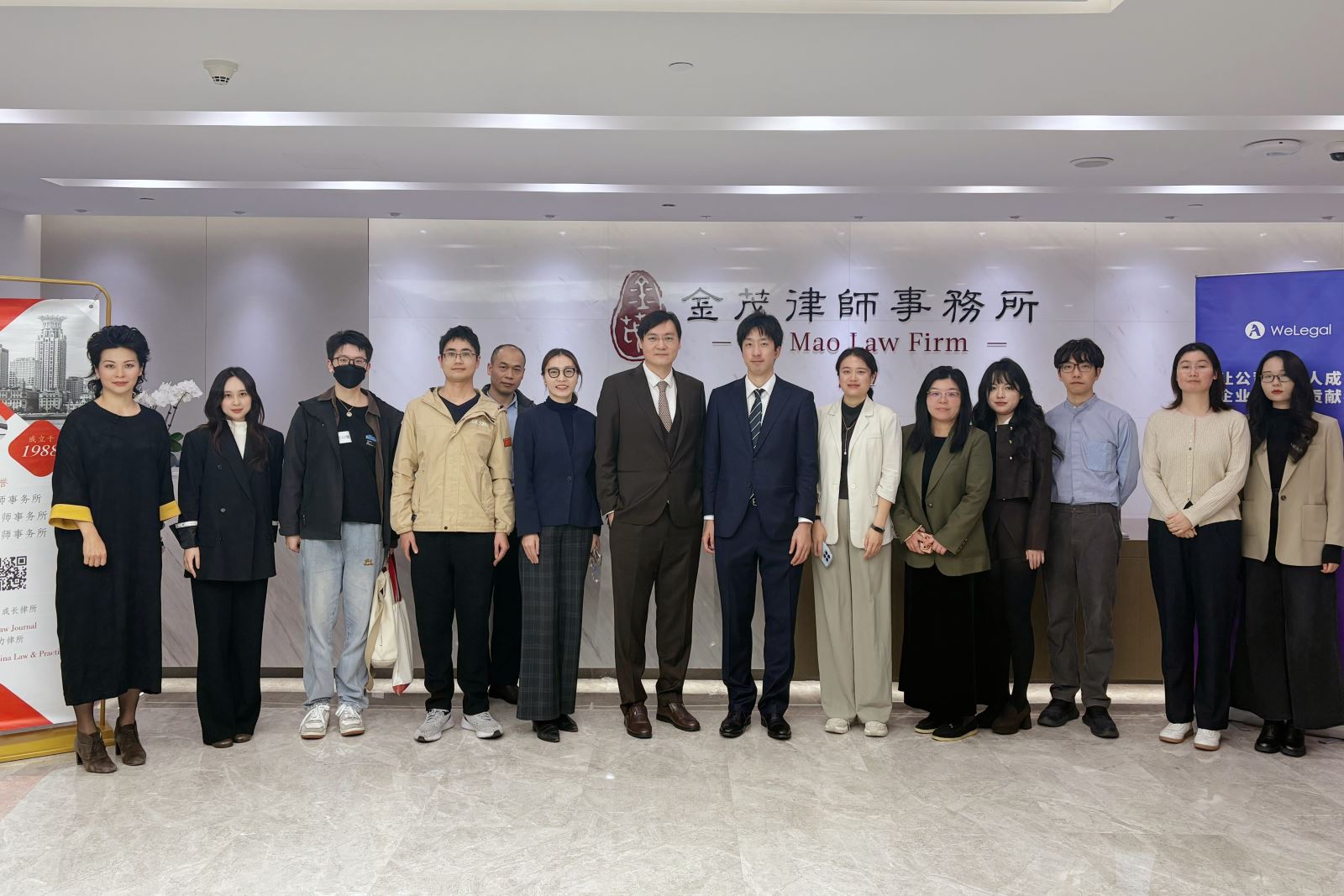
Jin Mao Law Firm Hosts Salon on AI Companies’ Japan Entry & Overseas Experts Launch
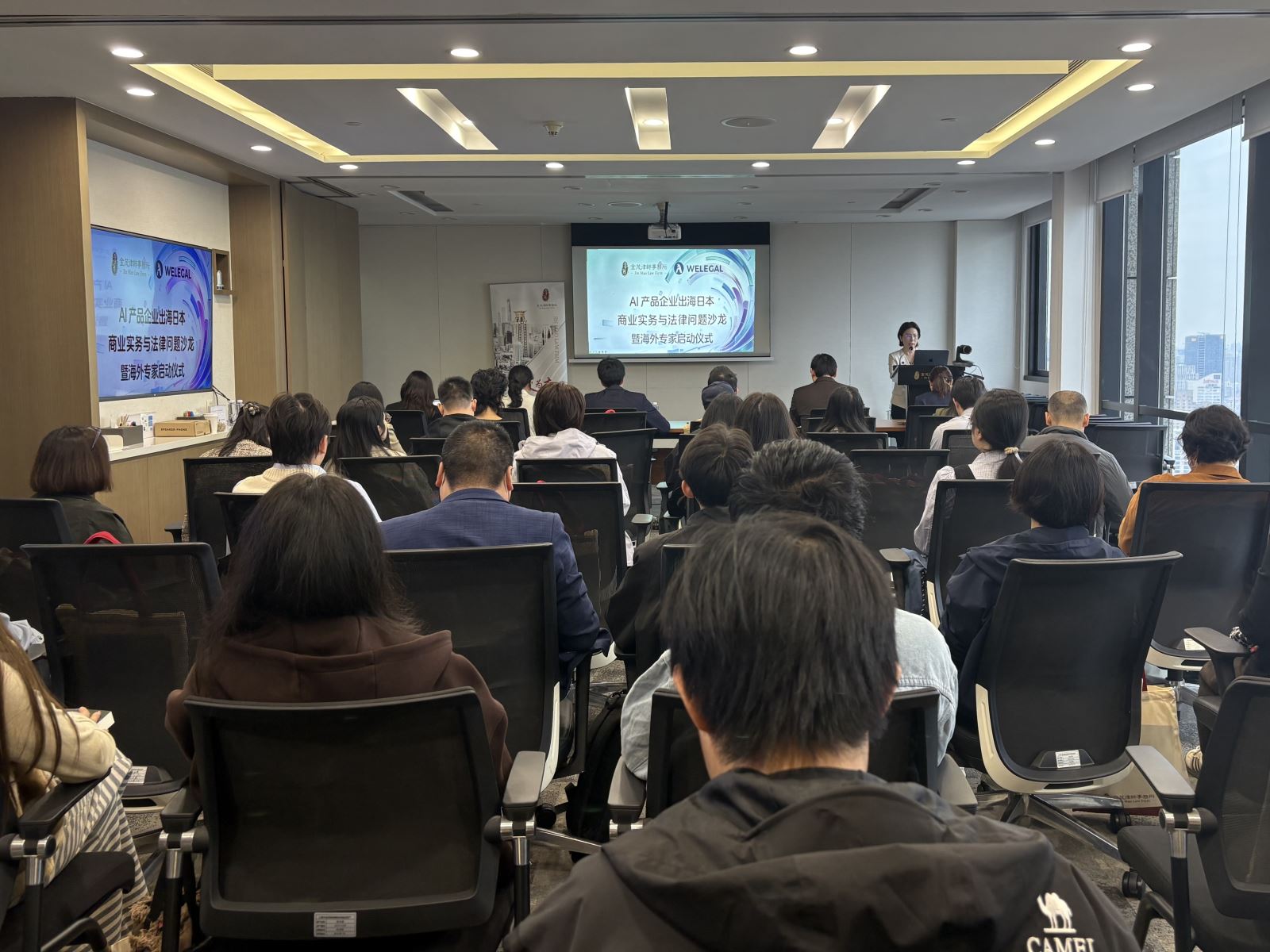
On November 12, 2026, the Salon on “Business Practice and Legal Issues for AI Product Companies Entering Japan,” jointly hosted by Jin Mao Law Firm and WeLegal together with the launch ceremony of Jin Mao's Overseas Legal Experts Program, was held in Huangpu District, Shanghai. The event was moderated by Yao Jingyi, partner of the firm. Wu Ying, executive partner, delivered the opening remarks; Bill Ho, partner, presided over the launch ceremony of the Overseas Legal Experts Program; and Duan Jieqi, partner, He Yunrui, lawyer, Hiroaki Ishikawa, partner of Iwata Godo, and Shizuka Eguchi, Chief Technology Officer of OpenReachTech, delivered keynote presentations in succession. Based on first-hand data and real-world cases and combined with an on-site Q&A session, the event was designed to help Chinese AI product companies and related high-tech manufacturers planning to enter the Japanese market clarify their key preparations and identify critical issues in advancing transactions, providing a reference for business negotiations and project implementation.

In her opening remarks, Executive Partner Wu Ying noted that, amid demographic changes and the digital transformation of industries, Japan is releasing substantial genuine demand in fields such as smart manufacturing, medical and elderly care, and service robotics, which aligns closely with the technological strengths of Chinese AI companies. Technical capability, however, does not equate to market access: Japan maintains a mature and detailed set of rules governing company formation, foreign investment access, data protection, and product liability, and whether technology can be transformed into products and services that meet local requirements and can be delivered and operated on a sustainable basis often determines the success of a Japan-bound project. Emphasizing that “the overseas expansion of AI technology is, in essence, the overseas expansion of trust,” she noted that Jin Mao Law Firm has made cross-border legal services the very foundation of the firm since its establishment in 1988, and expressed the firm's commitment to serving as a reliable companion on companies' journeys to Japan with 38 years of professional expertise and an ever-expanding overseas collaboration network.
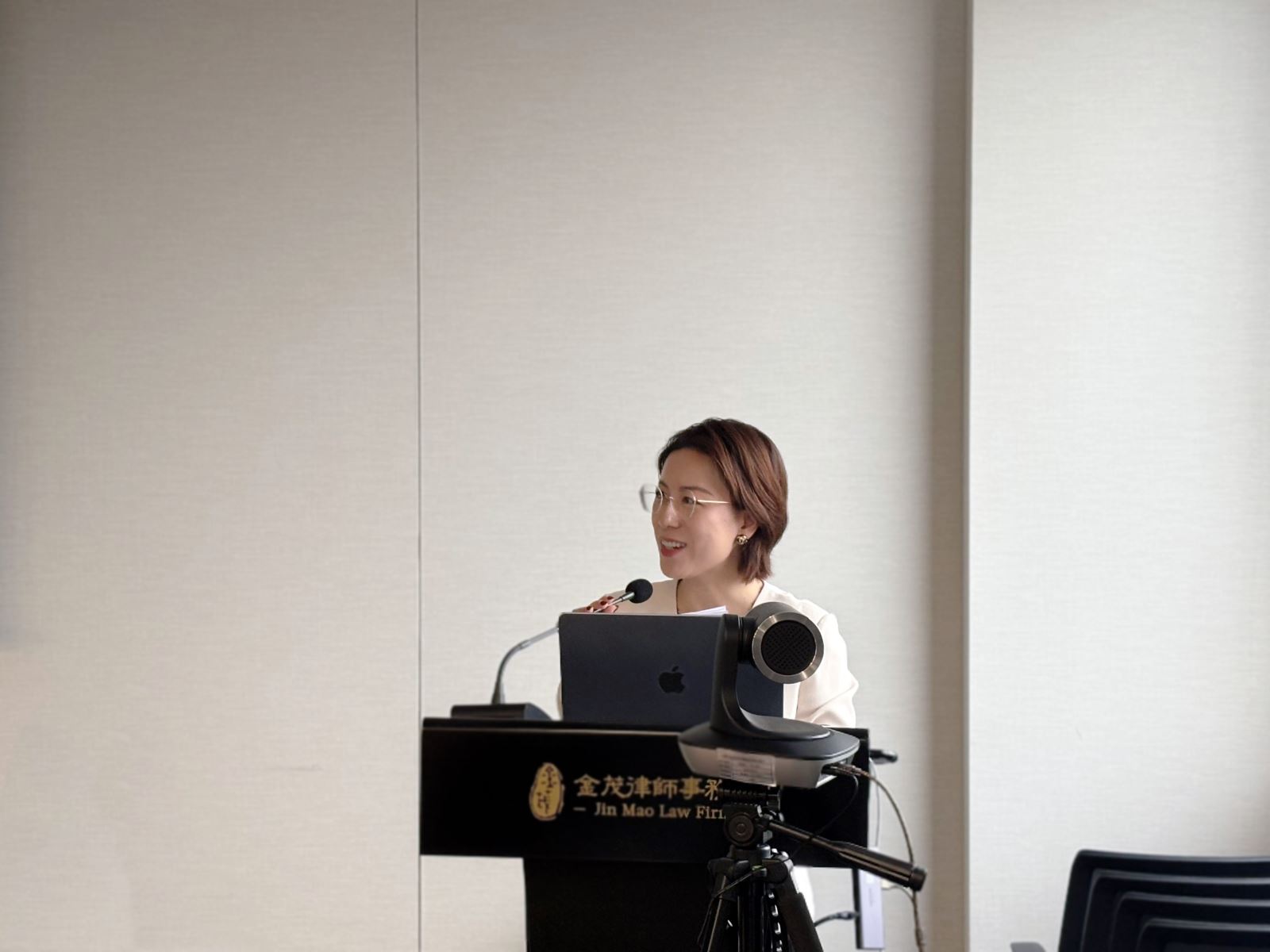
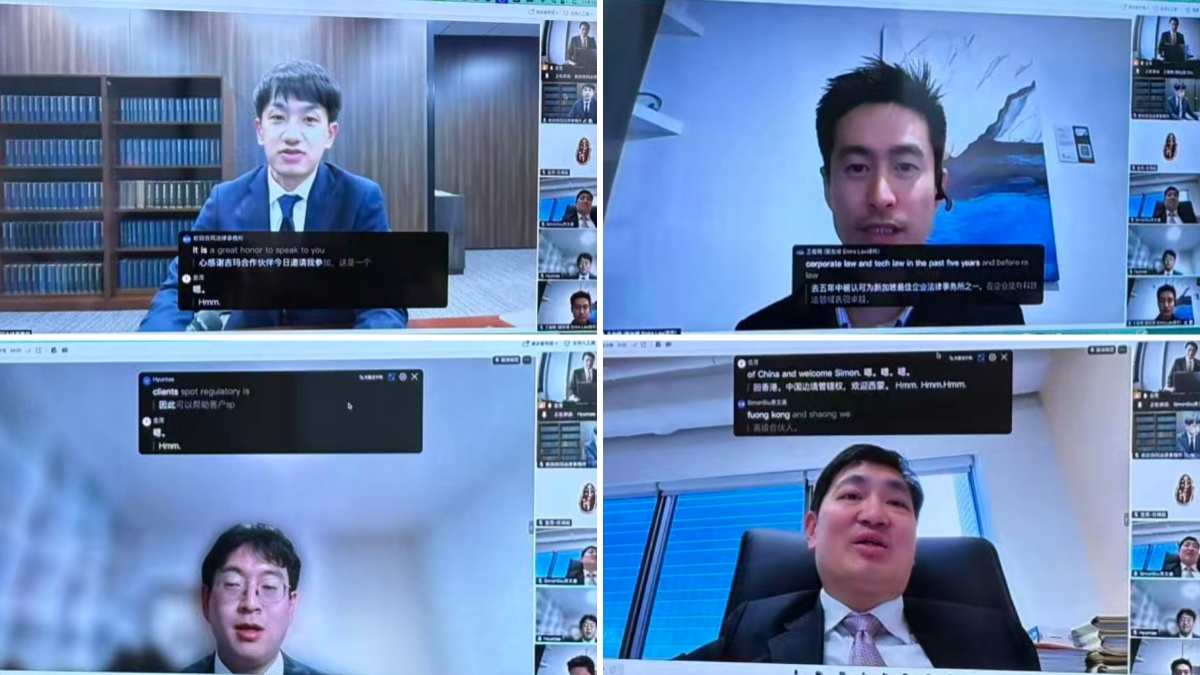
Following the opening remarks, the launch ceremony of the Overseas Legal Experts Program was held, presided over by partner Bill Ho. He noted that at a time when cross-border transactions, overseas investment, and international dispute resolution are placing ever higher demands on legal services, going global is “not a choice, but a necessity” for enterprises — and the same holds true for law firms, which is precisely the rationale behind Jin Mao's launch of the Overseas Legal Experts Program. Appearing as the first cohort of overseas legal experts were Akira Karasawa, partner at Iwata Godo (Japan); Simon Siu, senior partner of Sit, Fung, Kwong & Shum (Hong Kong SAR); Heng Jun Meng, founder and managing director of Entra Law LLC (Singapore); and Hyuntae Kim (Republic of Korea). They introduced their respective practice areas and cross-border service experience, and exchanged views with the audience on topics including differences in Japanese business culture, preparation for cross-border financing, compliance essentials for introducing AI tools within enterprises, and dispute resolution in Hong Kong and legal practice in the Guangdong–Hong Kong–Macao Greater Bay Area.
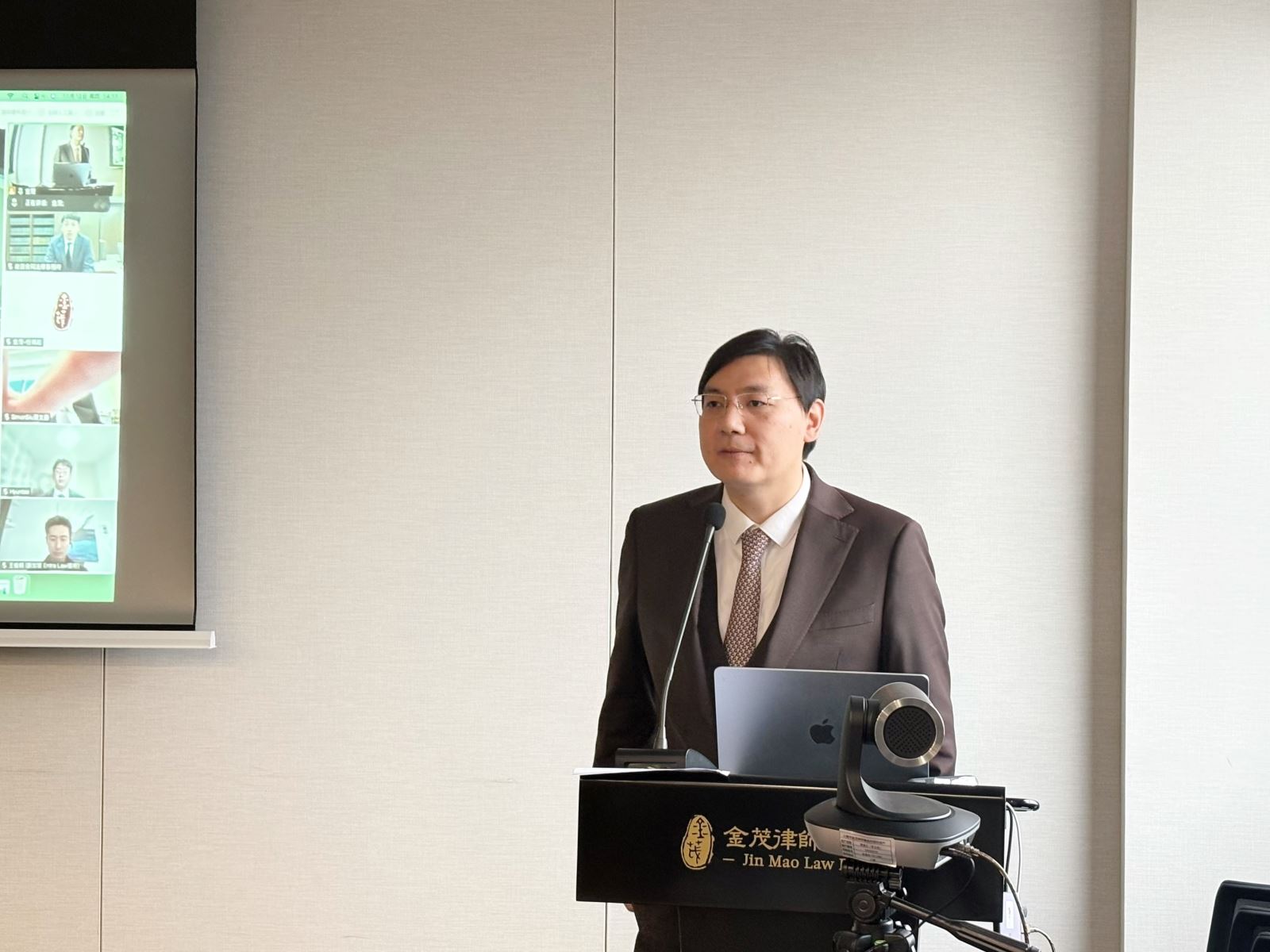
After the launch ceremony, partner Duan Jieqi delivered a presentation entitled “Procedures and End-to-End Compliance for Chinese Companies Entering Japan.” Drawing on the latest data on China's outbound direct investment and inbound investment into Japan, she systematically outlined the approval and filing requirements, foreign exchange registration, and reporting obligations for outbound investment on the Chinese side, as well as the Japanese-side regulatory requirements, including prior notification under Japan's Foreign Exchange and Foreign Trade Act, the Economic Security Promotion Act, and merger filings under the Antimonopoly Act. She also compared the characteristics of different forms of presence in Japan — kabushiki kaisha (stock company), godo kaisha (limited liability company), branch office, and representative office — highlighted the latest changes concerning the “Business Manager” residence status and the Special Defense Corporate Tax, and offered suggestions on the practical linkage between the procedures for establishing a Japanese entity and China's outbound investment procedures, together with commonly adopted implementation routes.
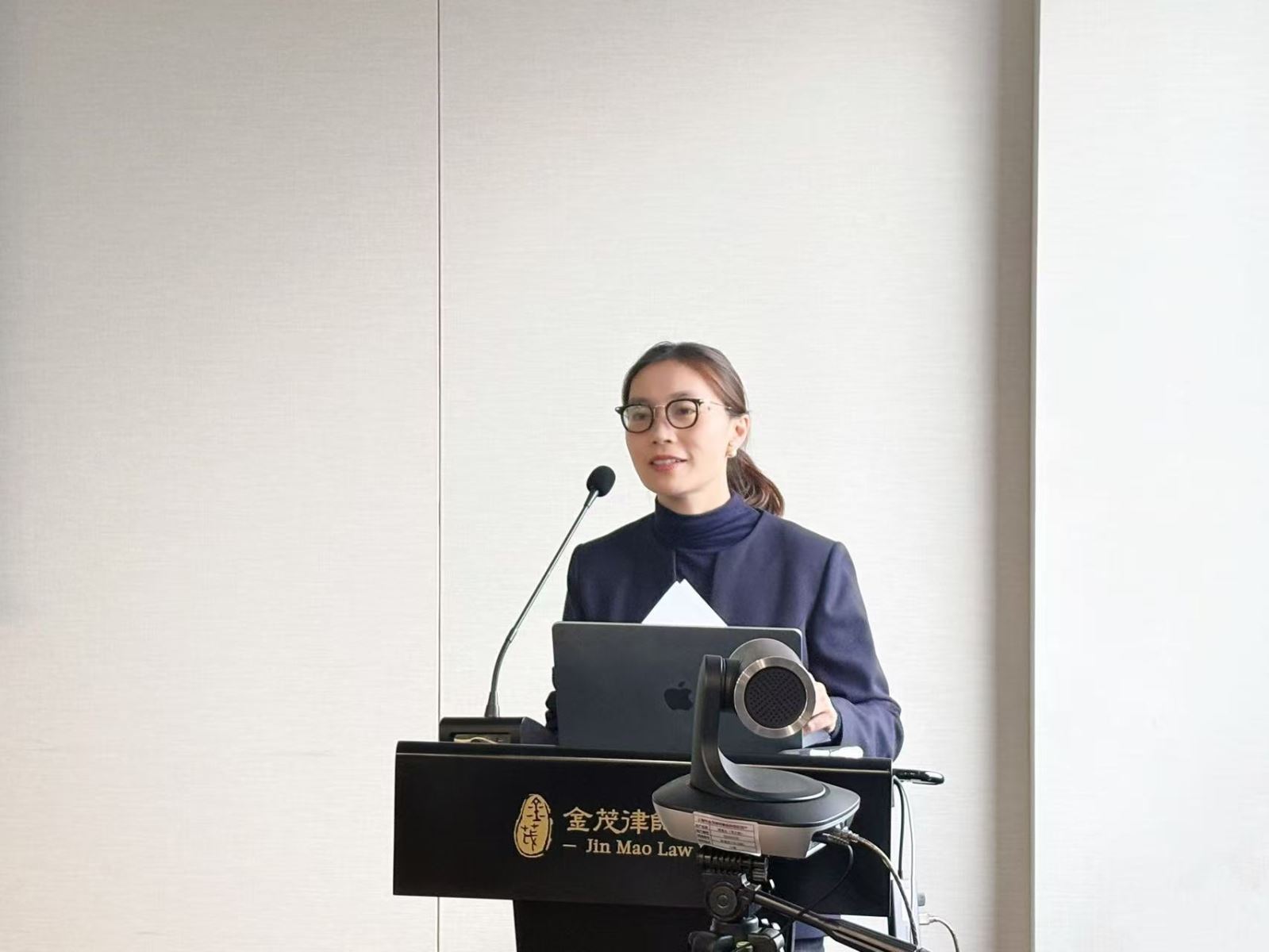
He Yunrui then shared insights under the theme “Business Practice and Market-Entry Routes for the Japanese Market.” Taking as a starting point Japanese consumption data and the performance of Chinese brands in Japan such as Anker, PLAUD, and Rokid, and drawing on two enforcement cases — the FCCL promotional pricing case and the business suspension of moomoo Securities — the presentation drew attention to marketing compliance rules such as the Act against Unjustifiable Premiums and Misleading Representations, as well as local rules in system operation. It further provided a systematic introduction to the transaction structures and legal essentials of five market-entry routes — crowdfunding, trade fairs, distribution partnerships, establishing a Japanese subsidiary, and acquiring a Japanese company — and shared the full-process arrangements for entering Japan together with compliance checklists for the pre-launch and ongoing-operation stages.
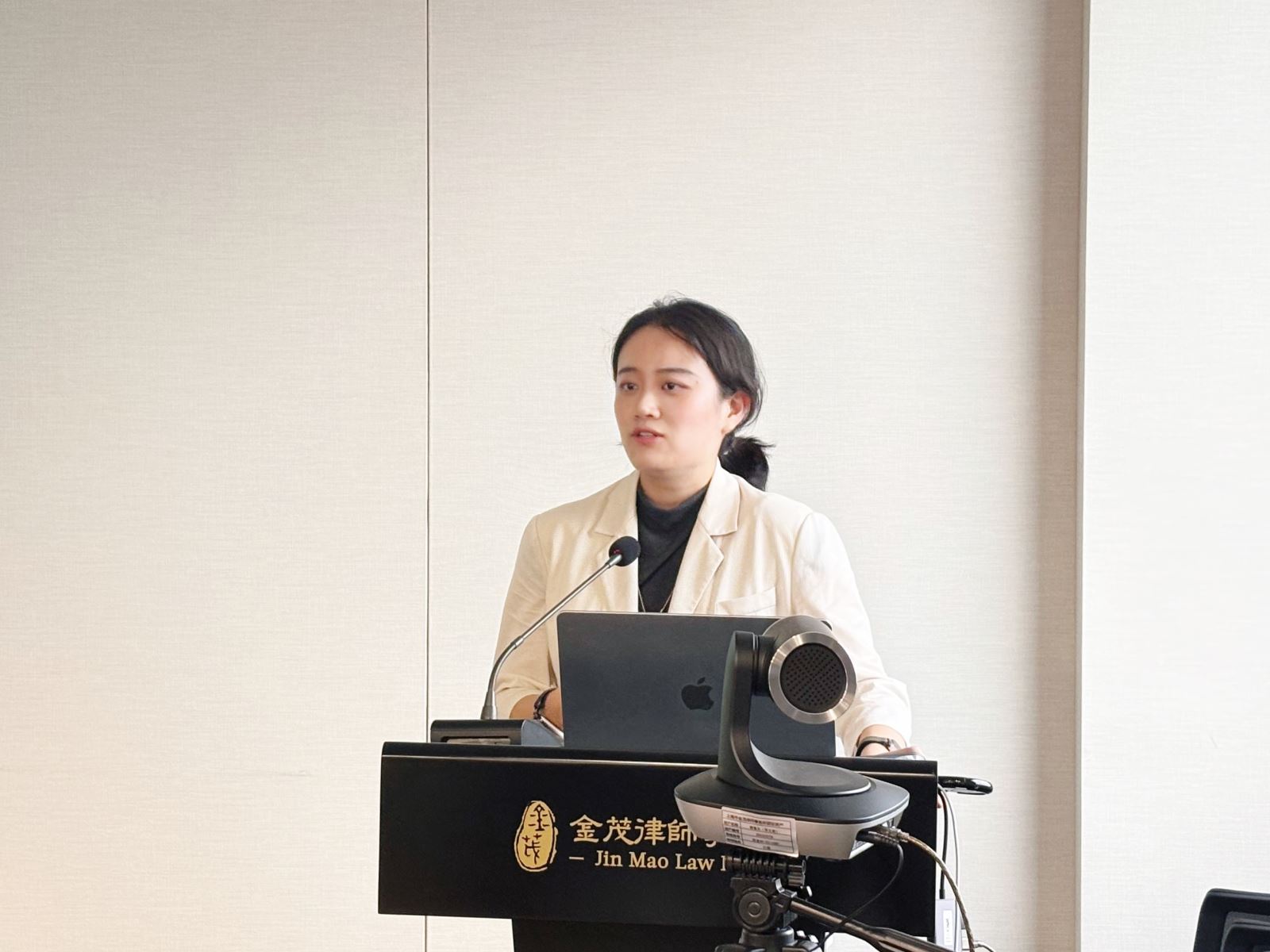
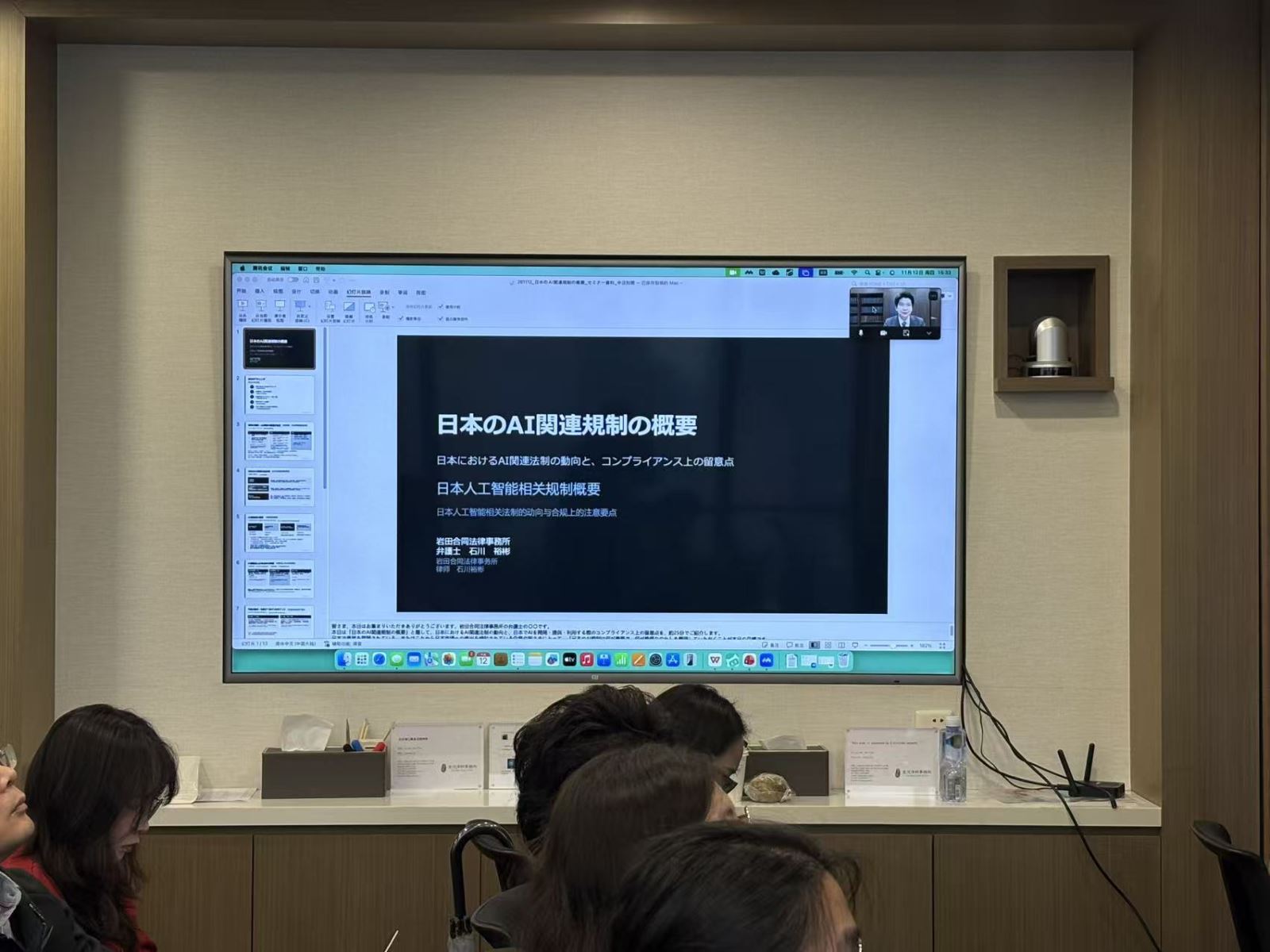
Hiroaki Ishikawa, partner at Iwata Godo, spoke on “An Overview of AI-Related Regulations in Japan.” He introduced the two global legislative approaches — “hard law” and “soft law” — and pointed out that Japan adheres to the basic stance of “promotion over regulation.” He then explained the three-layer regulatory framework composed of the Act on Promotion of Research and Development, and Utilization of Artificial Intelligence-related Technology (the “AI Promotion Act”), the AI Guidelines for Business, and existing laws such as the Civil Code, the Act on the Protection of Personal Information, and the Copyright Act, cautioning that “the absence of statutory obligations does not mean that no action is needed.” He also shared practical suggestions on risk management in light of emerging topics such as AI agents and physical AI, together with a compliance checklist for companies conducting AI business in Japan.
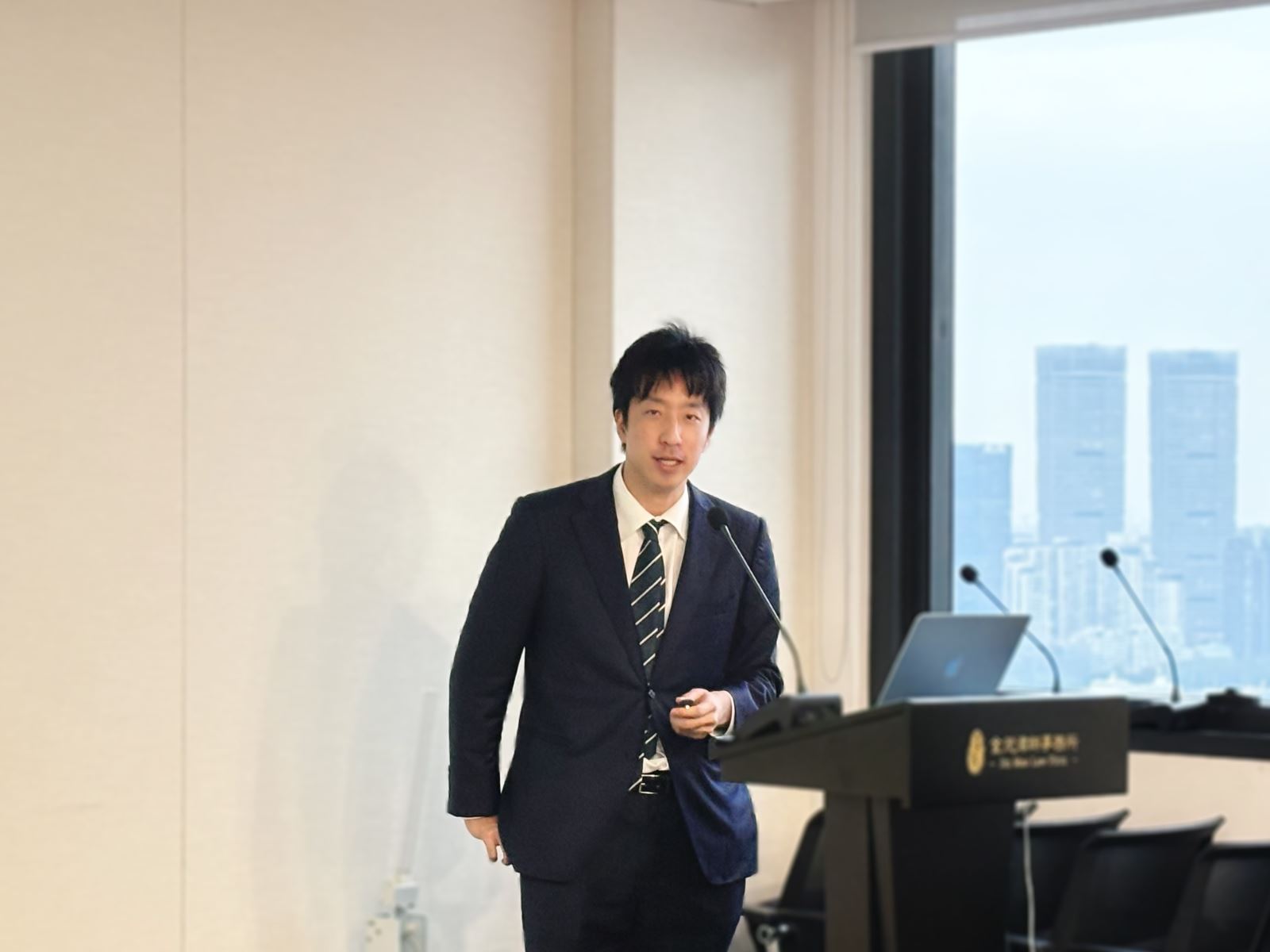
Shizuka Eguchi, co-founder and Chief Technology Officer of OpenReachTech, delivered a presentation entitled “Trends in Japan's AI Industry and Outlook for Investment in Japan.” Based on first-hand data from his team's digital-twin field trials using Chinese-made robots at a shipyard, he analyzed the severe labor shortages in Japan's elderly care and logistics sectors and the goal of deploying 10 million AI robots by 2040. He pointed out that Japan, while a world leader in factory automation, started relatively late in embodied AI, leaving a window of opportunity for Chinese robotics and embodied-AI companies. At the same time, he advised Chinese companies to start with small-scale pilots, and to attach great importance to localization and customization, after-sales and maintenance systems, and the building of trust.
At the end of the event, speakers and audience members engaged in an interactive Q&A session on topics such as structuring investment into Japan, key AI compliance issues, and market-entry routes, providing participating companies with practical legal guidance and hands-on experience, which was highly acclaimed by the attendees. The atmosphere was enthusiastic and the venue was filled to capacity, while the live online stream continued to gain popularity, attracting a cumulative audience of nearly 1,000 viewers.
Japan is currently accelerating the social application of AI and robotics, and Chinese companies going to Japan face both market opportunities and compliance challenges in both China and Japan. The event also marked the official launch of Jin Mao's Overseas Legal Experts Program. Going forward, Jin Mao Law Firm will leverage its overseas expert resources and more than three decades of practice experience to keep abreast of regulatory developments across jurisdictions, host more knowledge-sharing events, and help companies expanding overseas comply with applicable requirements and conduct business safely.